Web Accessibility: Why Your Website Needs to Get Up to Speed Now
Not every trend is suitable for small businesses. Here are the developments that really matter in 2026 – and what you can skip.
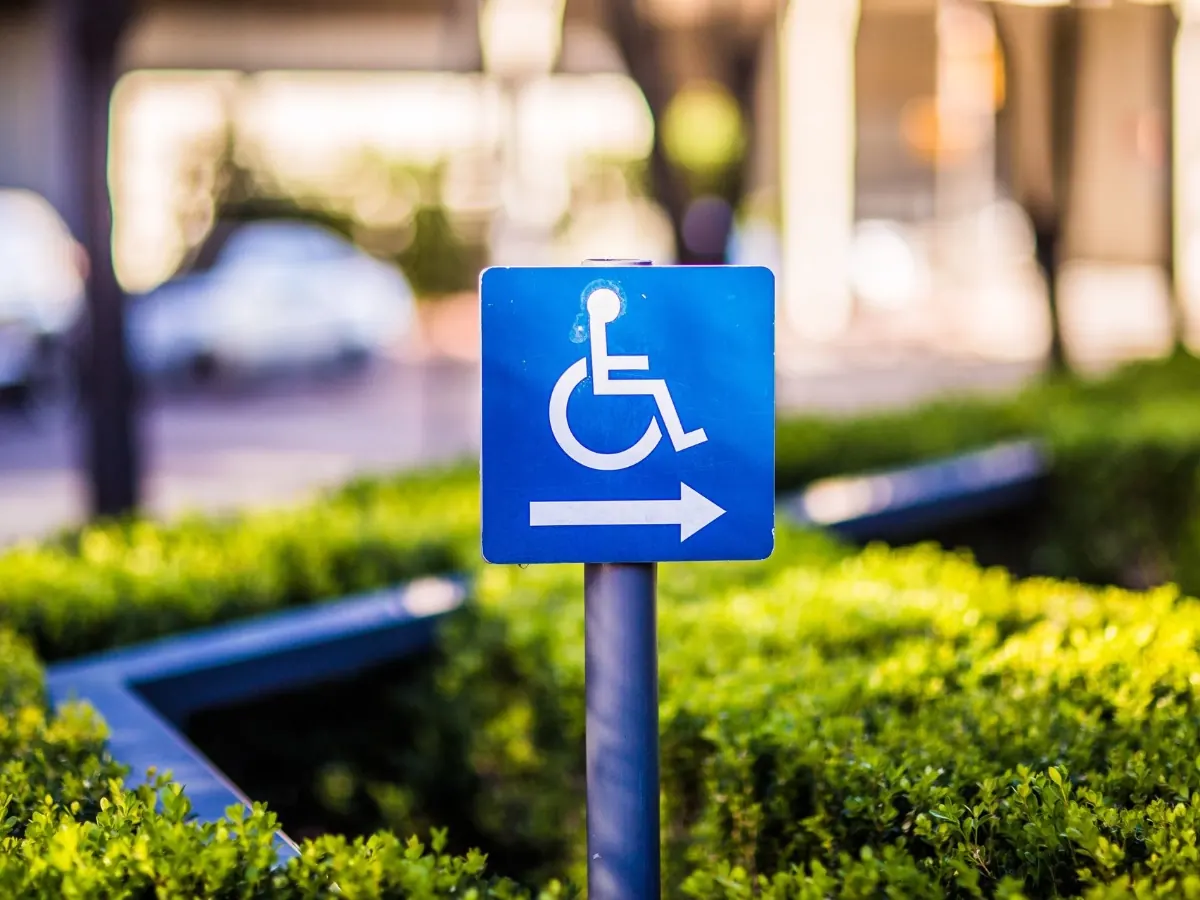
If you still think web accessibility is just a nice-to-have for disability organizations, think again. Since June 28, 2025, Germany’s Accessibility Strengthening Act (BFSG) has been in force, requiring many businesses and providers of digital services to make their websites and online shops accessible. Whether you run a nonprofit, a small business, or a private online shop, this topic now affects far more people than you might think.
What Does Accessibility Actually Mean?
Simply put: an accessible website can be used by as many people as possible, regardless of whether someone has poor eyesight, has trouble hearing, has limited mobility, or is just using their phone one-handed while sitting on the train. It’s not just about wheelchair users or people with visual impairments, but about a huge range of everyday situations that come up far more often than you’d think.
In practice, this means things like: text can be enlarged without breaking the layout, buttons are big enough to tap easily, colors have enough contrast, and the site can be navigated using only a keyboard, without a mouse. Screen readers (programs that read content aloud for blind users) need to be able to make sense of the content, which requires images to have descriptive text and the page structure to be logically organized.
Which Laws Currently Apply?
In Germany, two main regulations are relevant and complement each other:
- BFSG (Accessibility Strengthening Act): In force since June 2025, it implements the EU Directive 2019/882 (European Accessibility Act) and mainly obligates businesses offering digital products and services, such as online shops, banking apps or booking platforms, to be accessible.
- BITV 2.0 (Barrier-Free Information Technology Ordinance): Has been around longer and applies to public bodies like government agencies and publicly funded institutions, which must design their websites according to the WCAG (Web Content Accessibility Guidelines) standard.
Good to know: micro-businesses with fewer than 10 employees and under 2 million euros in annual revenue are usually exempt from the BFSG if they offer pure services without a digital sales process. But if you sell online or let people conclude contracts through your site, you should take a closer look, since the rules often still apply. Nonprofits are usually not directly obligated by law, but they benefit just as much from the advantages described below.
Why Accessibility Pays Off Even Without a Legal Obligation
Even if you’re not legally required to comply, there are some really good reasons why the effort is worth it:
- More reach: Several million people with disabilities live in Germany alone. That’s an audience that simply leaves and never comes back if a site is hard to access.
- Better usability for everyone: Big buttons, clear structure, and good contrast help not just people with disabilities, but also older users, people wearing sunglasses at the beach, or anyone quickly checking a site on their phone.
- SEO benefits: Google loves well-structured, semantically clean websites, and a lot of what makes a site accessible automatically improves search rankings too.
- Positive image: An accessible site shows that a nonprofit or business thinks about social responsibility, and that goes over well with customers, members, and donors.
- Legal certainty: Acting early helps you avoid warnings or fines that can result from violating the BFSG.
How Do I Get Started?
You don’t have to overhaul everything at once. A good first step is running a free automated check of your website using tools that flag common issues like missing image descriptions, poor contrast, or lack of keyboard navigation. After that, it’s worth looking at the biggest “trouble spots”: Are forms clearly labeled? Can all menus be operated without a mouse? Do images and videos have appropriate alt text or captions?
If you don’t have the time or technical know-how yourself, it’s worth reaching out to a web agency familiar with WCAG guidelines. The overhaul can usually be implemented step by step, so it doesn’t overwhelm your ongoing operations or budget.
Accessibility isn’t a tedious obligation. It’s a real opportunity to make your website usable for more people, more modern, and future-proof.