AI Search Engines and SEO 2026: Why Google No Longer Rules Alone
If you still think SEO just means "ranking as high as possible on Google," you've fallen behind in 2026. More and more people no longer search via classic Google.
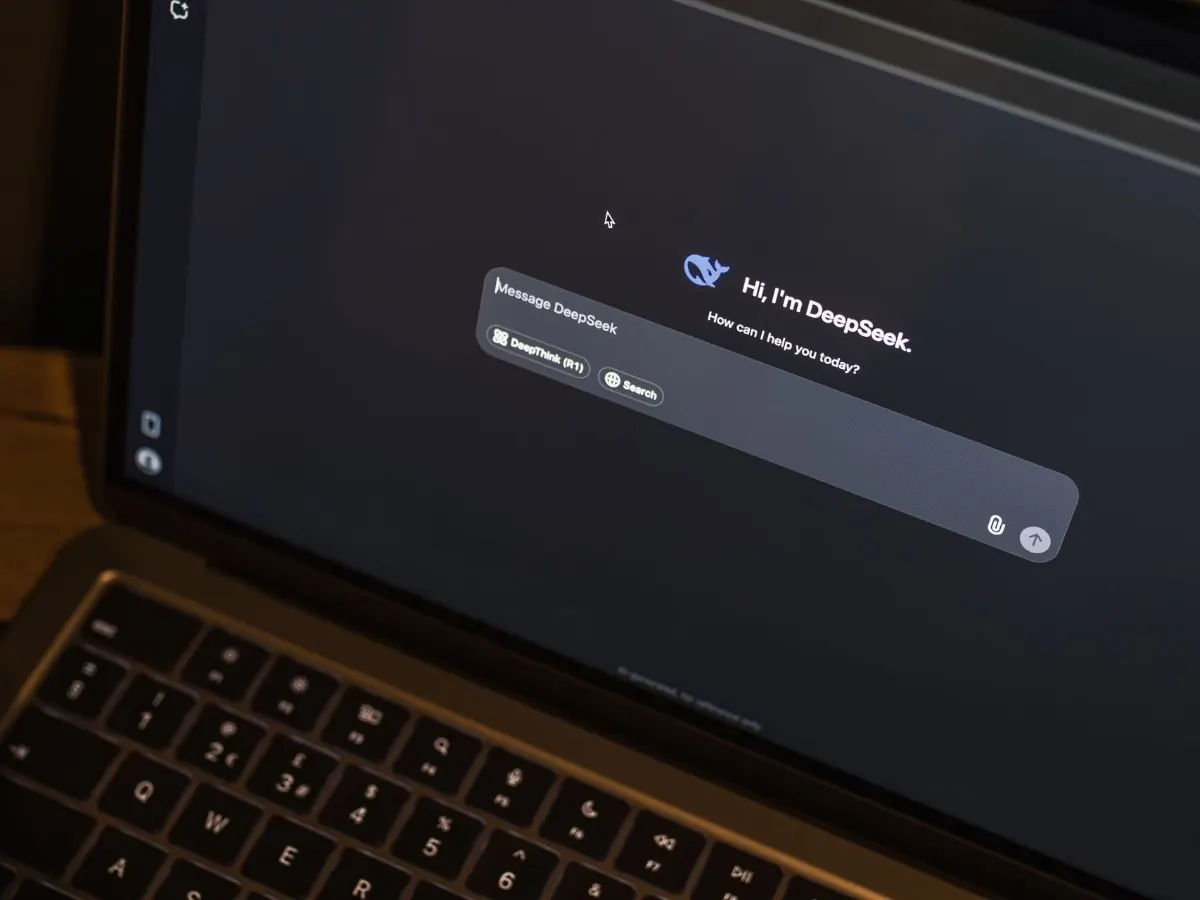
If you still think SEO just means “ranking as high as possible on Google,” you’ve fallen behind in 2026. More and more people no longer search via classic Google, but ask ChatGPT, Perplexity, or Copilot directly for answers – and these AI search engines work completely differently from the traditional Google algorithm. If you run a business, nonprofit, or work as a freelancer and want to be found online, you need to adapt to this new reality now.
What’s Actually Changed?
In the past, you’d google a question, get ten blue links, and click through yourself to find the answer. Today, you type the same question into an AI search engine and get a ready-made, summarized answer directly – often without a single click on any website. For website owners, this means it’s no longer enough to just “rank well on Google.” You need to make sure your content actually shows up as a trusted source within these AI-generated answers.
This is exactly what’s called Generative Engine Optimization, or GEO for short, sometimes also referred to as LLM optimization (LLMO). It’s essentially the next evolution of classic SEO, except the goal isn’t “rank #1 on Google” anymore, but “get cited as a source in the AI’s answer.”
Why This Matters for Anyone With a Website
This might sound like a niche topic for big corporations, but it now affects anyone who wants to be found online:
- Customers increasingly research through AI chats instead of traditional search engines before making a purchase decision.
- If you don’t show up in AI answers at all, you become essentially invisible to a growing share of potential customers.
- Classic SEO doesn’t lose its importance because of this, but gains an entirely new layer that needs to be considered alongside it.
- Whoever starts adapting early gains a clear edge over competitors, since many businesses are still completely ignoring this topic.
How to Make Content Attractive to AI Search Engines
The good news: a lot of what matters for GEO isn’t complicated at all, and it also makes perfect sense for classic SEO.
- Give clear, direct answers: AI systems love content that answers a question precisely and to the point, instead of going around in circles.
- Use structure with headings and lists: well-organized text with meaningful subheadings is easier for AI systems to parse and summarize.
- Make facts and sources transparent: backing up statements with data, studies, or verifiable examples increases the chance of being cited as a trustworthy source.
- Show freshness: update content regularly and make that visible (e.g., with a date), since AI systems tend to favor fresh, well-maintained information.
- Don’t forget the technical basics: fast load times, mobile optimization, and clean technical structure remain important, because AI search engines still need to crawl and index content just like traditional search engines.
- Demonstrate expertise: author credits, subject-matter knowledge, and a clear focus on your topic help you be perceived as a credible source.
What Does This Mean for Measuring Success?
Measuring SEO success is changing too. Classic metrics like click counts and ranking positions are no longer enough on their own to capture full success in 2026. New metrics are coming into focus, such as how often your own brand or website is mentioned within AI-generated answers, even if that mention doesn’t result in a direct click. This makes success measurement a bit more complex, since you can’t just look at Google Analytics anymore. You also need to track how your content shows up inside AI-generated responses.
Looking Ahead
SEO isn’t dying in 2026. It’s just getting bigger and a little more complicated. If you only ever look at classic Google rankings, you’re missing out on a growing number of people who now ask their questions directly to an AI instead. The best strategy is to keep both worlds in mind: keep doing solid, classic SEO work, while also structuring content so it’s understandable, trustworthy, and quotable for AI search engines too. Anyone who takes this to heart now will be well positioned for the years ahead.